
The overwhelming rate of population growth rate has been challenging food security sector worldwide . To sort out those challenges science and technologies have developed different crops varieties and crop protection practices to increase production . But In the name of increasing production these technologies has also prioritised using of synthetic chemical products in farming practices . Technology have been feeding poision instead of nutrition to the people. So pesticides injuries is increasing with days per year of pesticides application.
According to the UN reports of health survey Pesticides poisoning annualy kills around 2 hundred thousands lives on which overwhelming majority of those killed are farmers and also from developing countries. It had to again lead technologies to search about techniques in production without use of chemical compound. So trend of organic farming is now more prior in response with health conscious activities. But the production process in organic farming is relatively costy than in conventional practices of production.
-(1)2026-06-12-12-06-45.png)
2026-06-12-01-06-18.gif)
2026-06-12-01-06-02.gif)
In developed countries where farming technology and capacity is much efficient and they can afford the cost of production process . But what will be alternatives for the developing countries like ours. It is today most concerning questions in recent days. Nepal is least developed countries with low per capita income . Though it is an agricultural country, Nepal is in crisis to fullfill its own food requirement each year.
According to the Department of Customs, Nepal imported farm products worth Rs215. 50 billion in the last fiscal year of 2018/19. It is an increasing rate for every year. So, the question is, Will organic farming be reliable in present circumstances or not?
The food insufficiency problem is one of the major challanges in Nepalese food security sector. Almost 30 districts are under nutrition in Nepal . There is still cloud of hunger in Nepalese food sector. As well, people have low income source on average . With view of these circumstances Nepalese people can't afford organic shifting in country. Nepalese people utilize rice, wheat, maize and barley as main staple crops . The organic practices in recent context is very unreliable and impossible. We are still facing food insecurity problem in our staple crops.
Even though following conventional farming, Nepal still have to import huge amount of staple crops from India of worth Rs 40.21 billion in last fiscal year. And if there is organic shifting in the staple crop production then Nepal will have to suffer prior from hunger and price hiking rather than long term pesticidal poisioning. So there have to be an alternative of organic shifting .
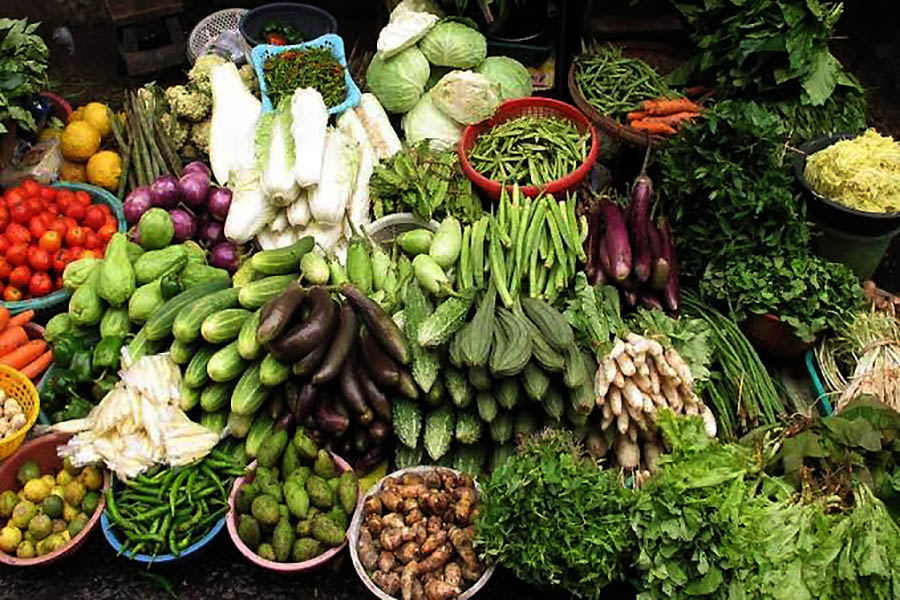
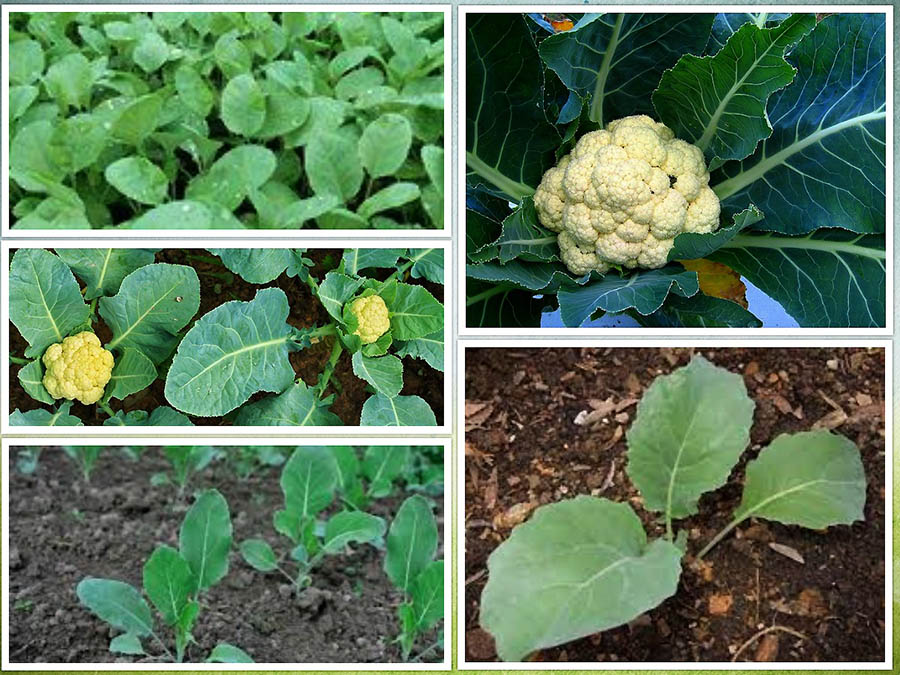
With these causes in the present context, organic initiative will be best than holistic organic shifting of farming practices. On the contrary 'One household, One organic home-garden' policy will be the best alternative. Individual household can start from their own homegarden . The recent data shows 3.17 a.i kg of pesticides is being used in vegetables farming per ha which is very large than cereal crops. More than 85% of pesticides is being used in vegetables production in Nepal. So at first the organic initiation should start from organic vegetables production rather than cereal crops. So that the production of organic vegetables in own household could ensure less use of pesticides which ultimately reduce pesticides utilisation in horticultural sector of country.
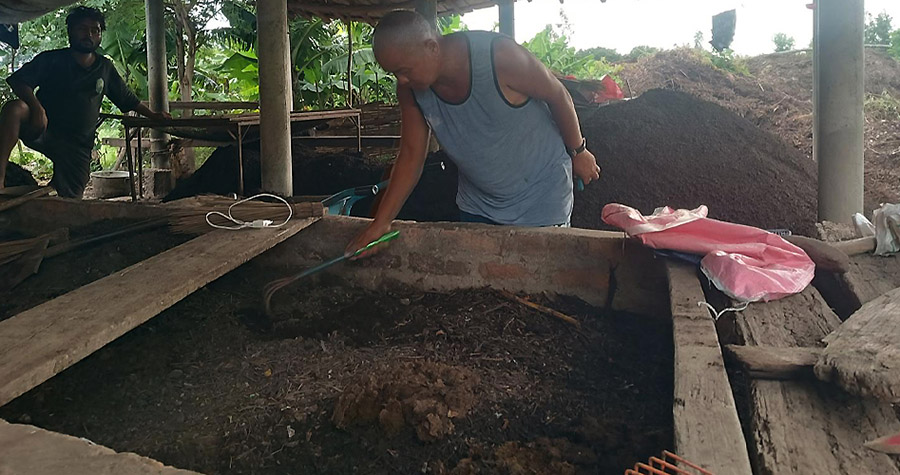
Majority of people in Nepal lives in rural (about 82.7%follows subsistence type of farming. So there is huge potential of one organic garden in one household for organic production of fruits and vegetables. The waste from houses as well as compost manure from subsistence livestock farming would be enough to utilize them as a organic manure for organic garden. This will ensure people to have atleast organic vegetables in their daily diet. So in the present Nepalese scenarios, there is a must need of the initiative toward organic farming, not the holistic shifting of overall agriculture. Our economic structure still can't afford holistic organic farming practices in recent moments. So initiative of organic practices should start from individual home garden.
The government should make structural and institutional changes to ammend this policy. Provision of seeds, training on manufacture of organic manures, organic cultural practices through extension services should initiate. 'One household, One organic home-garden' policy will ensure less import of pesticides. Almost 635 tonnes worth of Rs 830 million pesticides was imported in last fiscal year in Nepal. Hence, huge amount of savings can be made from this initiation.
If all household would produce organic vegetables then even country could possibly be independent from import of vegetables which is about 3 million tonnes annually. As well the surplus organic produce from all households in rural area could ensure organic vegetables to rest of 18 % urban population. People will be influenced toward organic farming and production eventually with the growing trend of organic garden in every households. With this regard, instead of holistic shifting in organic practices in farming organic initiation from 'One household, One organic home-garden' policy hopefully would be the best alternative as well as the best method to influence people toward organic farming in our country rightly.
-(1)2026-06-12-01-06-47.png)



2025-08-01-06-08-52.jpeg)











प्रतिक्रिया थप्नुहोस्